

Choosing pasta at an Italian restaurant is not simply a choice between spaghetti and rigatoni. The sauce determines the mood of the dish: tomato can feel bright and lively, Bolognese deep and comforting, truffle earthy and aromatic, while a four-cheese sauce offers a richer, more enveloping experience.
That is why two pasta dishes made from similar ingredients can satisfy completely different appetites. One may suit a warm afternoon when you want something fresh and uncomplicated; another belongs to a slow dinner with wine and plenty of time at the table.
The easiest way to order well is to begin with the flavour and texture you want. This guide explains the main families of Italian pasta sauces and uses dishes from the current Trattoria Vineyard menu to show how those differences work on the plate.
The sauce gives an Italian pasta dish its character
Pasta and sauce are meant to work as one dish. The sauce should coat the pasta rather than sit separately at the bottom of the plate, and the pasta should provide the right surface, thickness and bite for the ingredients around it.
A tomato sauce brings acidity, sweetness and freshness. Olive oil carries the aroma of garlic and herbs. Meat adds savoury depth and a longer finish. Cream, mascarpone and cheese soften sharper flavours and create a smooth texture. Mushrooms and truffle move the dish in an earthy, aromatic direction.
None of these styles is automatically better than another. The right choice depends on whether you want a light or substantial meal, a clean or creamy texture, gentle flavours or noticeable heat.
Start with the experience you want from the dish
Before comparing individual recipes, ask yourself four simple questions:
- Do I want a tomato-based or creamy sauce?
- Am I looking for something light, comforting or especially rich?
- Do I prefer vegetables, meat, cheese or earthy mushroom flavours?
- Would I enjoy a little heat, or should the sauce stay mild?
These choices narrow the menu quickly. A guest who wants freshness and herbs may be happiest with Pasta Napoli. Someone looking for warmth and spice may prefer Pasta All’Arrabbiata. If the goal is a deep, luxurious aroma, Pasta Funghi e Tartufo moves in a completely different direction.
Tomato-based pasta sauces: bright, aromatic and versatile
Tomato is one of the most recognisable foundations in Italian cooking, but not every tomato sauce tastes the same. Garlic, herbs, vegetables, chilli, meat and cooking time can change its personality dramatically.
Pasta Napoli: the cleanest expression of tomato and basil
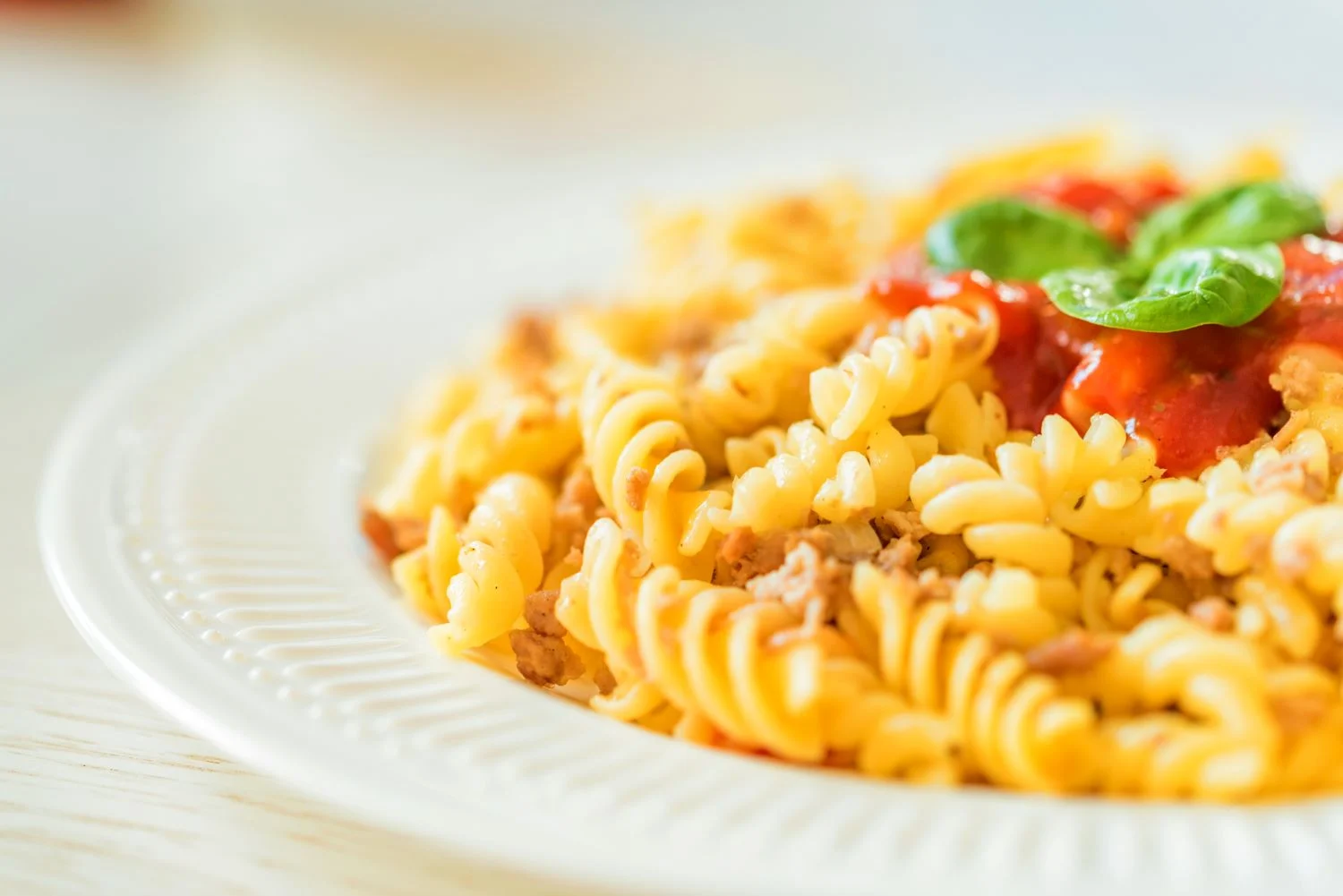
Pasta Napoli is a useful starting point for understanding balance. Ripe tomatoes provide sweetness and acidity, garlic adds aroma, basil gives the sauce a fresh herbal lift, and olive oil connects the flavours.
Because the ingredient list is focused, there is nowhere for poor balance to hide. A successful Napoli sauce should taste vivid rather than heavy. It is a strong choice when you want a vegetarian pasta, when you prefer a lighter dinner, or when you simply want familiar Italian flavours without cream or meat.
Pasta Vegetaria: more texture and seasonal flavour
Pasta Vegetaria builds on the freshness of vegetables. Tomatoes, zucchini, aubergine, peppers and broccoli contribute different textures and degrees of sweetness, while garlic, olive oil and herbs keep the dish connected.
This style suits diners who want more variety in each bite. It can feel substantial without relying on a heavy sauce, and the seasonal vegetables give the dish a Mediterranean character that feels natural in Northern Cyprus.
Guests exploring meat-free choices can also read our guide to vegetarian and vegan Italian dishes. If you have a strict dietary requirement, always ask the team about the current preparation and possible substitutions.
Pasta All’Arrabbiata: tomato with a confident chilli finish
Arrabbiata shows how one ingredient can transform a familiar base. Tomato remains central, but fresh chilli introduces warmth and energy. Garlic, olive oil and parsley prevent the heat from becoming one-dimensional.
This is the choice for someone who wants a lively sauce rather than a creamy one. The best version is not simply “as hot as possible”. Chilli should sharpen the tomato, not erase it. If your tolerance for heat is uncertain, ask how spicy the current preparation is before ordering.
Spaghetti Bolognese: slow, savoury and comforting
Bolognese belongs to the richer side of tomato-based pasta. Beef, vegetables, red wine, tomatoes and Parmesan create several layers of flavour: sweetness from the vegetables, acidity from tomato, depth from the meat and a savoury finish from the cheese.
Compared with Napoli or Arrabbiata, this is a more filling choice. It works well when pasta is the centre of the meal and you want something familiar, warming and substantial.
Creamy, cheesy and earthy sauces: when you want a richer dish
Not every creamy pasta tastes alike. Mushrooms produce earthiness, truffle adds a distinctive aroma, chicken contributes savoury weight, and a blend of cheeses creates both sharp and mellow notes. These dishes generally feel rounder and more persistent on the palate than a simple tomato sauce.
Pasta Funghi e Tartufo: mushroom depth and truffle aroma
Pasta Funghi e Tartufo combines fresh mushrooms with butter or olive oil, cream or mascarpone, Parmesan, garlic, herbs and truffle. Mushrooms create the foundation; truffle supplies the high aromatic note that reaches you before the first bite.
Choose this dish if you enjoy earthy flavours and want the sauce to feel luxurious without depending on meat. Truffle has a recognisable personality, so it is better suited to diners who want a pronounced aroma rather than a neutral creamy pasta.
Pasta Pollo: a flexible, comforting combination
Chicken, garlic, onion and Parmesan make Pasta Pollo a familiar and satisfying option. Depending on the available preparation, a cream sauce makes it softer and fuller, while a tomato sauce brings more acidity and freshness.
This flexibility is useful for guests who want a protein-rich pasta but are deciding between two different sauce styles. Ask which version is available and choose according to your appetite: creamy for comfort, tomato-based for a brighter finish.
Pasta ai Quattro Formaggi: layered cheese flavour
Four-cheese pasta is not just about intensity. The interest comes from the way different cheeses behave together. Gorgonzola supplies a tangy blue-cheese note, mozzarella adds softness, Emmental brings a mild nutty character, and Parmesan contributes concentrated savouriness.
At Trattoria Vineyard, the sauce is paired with short pasta such as penne, fusilli or rigatoni. Their curves, tubes and ridges give the creamy sauce more surface to hold onto. This is the richest choice in the group and works best when you genuinely want cheese to be the main flavour of the meal.
Why the shape of the pasta still matters
Sauce may lead the decision, but shape affects how the dish feels. Long strands create a continuous, silky bite and work well when the sauce can coat them evenly. Tubes and spirals collect thicker sauces in their hollows and along their ridges. A short shape also brings more contrast between the firm centre of the pasta and the sauce around it.
This is one reason a cheese sauce feels at home with rigatoni or fusilli. Every forkful holds both pasta and sauce. A smoother tomato or oil-based preparation can work naturally with longer pasta because it spreads in a thinner layer.
You do not need to memorise rules before ordering. It is enough to notice that the pasta shape is part of the recipe, not a decorative afterthought.
How to choose pasta for different moods and occasions
For a lighter meal, begin with Pasta Napoli or Pasta Vegetaria. Both emphasise vegetables, herbs and olive oil, and neither relies on a heavy cheese sauce.
For spice and energy, Pasta All’Arrabbiata is the clearest direction. It suits diners who enjoy tomato but want a more assertive finish.
For familiar comfort, Spaghetti Bolognese or Pasta Pollo offers more weight and savoury depth. These are reassuring choices when you want pasta to feel like a complete, substantial dinner.
For an aromatic dinner, Pasta Funghi e Tartufo puts mushrooms and truffle at the centre. It is especially appealing when you want a dish that feels distinctive from everyday tomato pasta.
For maximum richness, Pasta ai Quattro Formaggi is the natural choice. It is creamy, cheese-led and best approached with a real appetite.
If several options sound appealing, sharing different dishes can turn the meal into a tasting experience. Contrasting a bright tomato sauce with a creamy mushroom or cheese sauce makes the character of each one much easier to appreciate.
What should you drink with different pasta sauces?
The most useful pairing principle is to match the drink to the sauce, not simply to the pasta.
Tomato-based sauces have noticeable acidity, so they generally work well with fresh, food-friendly wines that do not overwhelm the herbs and vegetables. Bolognese can support a red wine with a little more body because the meat and Parmesan add depth.
Creamy mushroom and truffle sauces often suit a rounded white wine or a lighter red with restrained tannins. Four-cheese pasta needs enough freshness in the glass to keep the combination from feeling too heavy. With Arrabbiata, avoid an aggressively alcoholic wine, which can make chilli feel hotter; a fresh, lighter drink is often more comfortable.
Pairing is ultimately personal. Tell the team whether you prefer white, red, rosé or a non-alcoholic option, and let the sauce guide the recommendation.
Vegetarian pasta: simple does not mean uninteresting
Italian cooking is particularly good at creating complete flavours from vegetables, olive oil, tomato, herbs, mushrooms and cheese. Pasta Napoli demonstrates the power of simplicity, Pasta Vegetaria adds seasonal texture, and Pasta Funghi e Tartufo builds intensity through mushrooms and aroma.
Pasta ai Quattro Formaggi is also meat-free in composition, but guests with specific dietary needs should still confirm ingredients and kitchen procedures when ordering. “Vegetarian”, “vegan”, dairy-free and gluten-free are not interchangeable terms.
Where to enjoy Italian pasta in Kyrenia
For visitors searching for pasta near me and authentic Italian dishes, location is only part of the decision. A useful menu should offer genuinely different flavour directions rather than several names for nearly identical sauces.
Trattoria Vineyard in Kyrenia offers tomato-led, vegetable, spicy, meat, mushroom-truffle, chicken and four-cheese options. That range makes it possible to choose according to appetite instead of ordering the same familiar dish every time.
The restaurant combines Italian recipes with the relaxed rhythm of dining in Northern Cyprus. You can learn more about Trattoria Vineyard or contact the restaurant before your visit if you would like to ask about availability or dietary requirements.
Frequently asked questions
Which Italian pasta sauce is the lightest choice?
A simple tomato-based sauce such as Napoli usually feels lighter than a sauce based on cream and several cheeses. Pasta Vegetaria is another good option when you want vegetables and varied texture without a very rich finish.
Is Pasta All’Arrabbiata very spicy?
Arrabbiata is designed to have a noticeable chilli kick, but the exact intensity can vary. The tomato should remain clear and flavourful. Ask the team about the current level of heat if you prefer milder food.
What is the difference between truffle pasta and mushroom pasta?
Mushrooms provide an earthy, savoury base. Truffle adds a stronger and more distinctive aroma. In Pasta Funghi e Tartufo, the two work together, supported by cream or mascarpone, Parmesan, garlic and herbs.
Which pasta is best for cheese lovers?
Pasta ai Quattro Formaggi is the most cheese-focused option. Its combination of Gorgonzola, mozzarella, Emmental and Parmesan creates a creamy sauce with several layers of flavour.
Can I ask about substitutions or dietary requirements?
Yes. Ingredient availability and preparation can change, and allergies require particular care. Contact the restaurant or speak with the team before ordering rather than relying only on the short menu description.
Choose the sauce first, then let the pasta follow
The best pasta choice begins with a simple question: what do you want the dish to feel like? Tomato and basil bring freshness, chilli adds energy, Bolognese provides comfort, mushrooms and truffle create aroma, and four cheeses deliver richness.
Once you identify that direction, the menu becomes much easier to read. Explore the current pasta selection at Trattoria Vineyard, choose the sauce that matches your appetite and enjoy a little Italian character in the heart of Kyrenia.